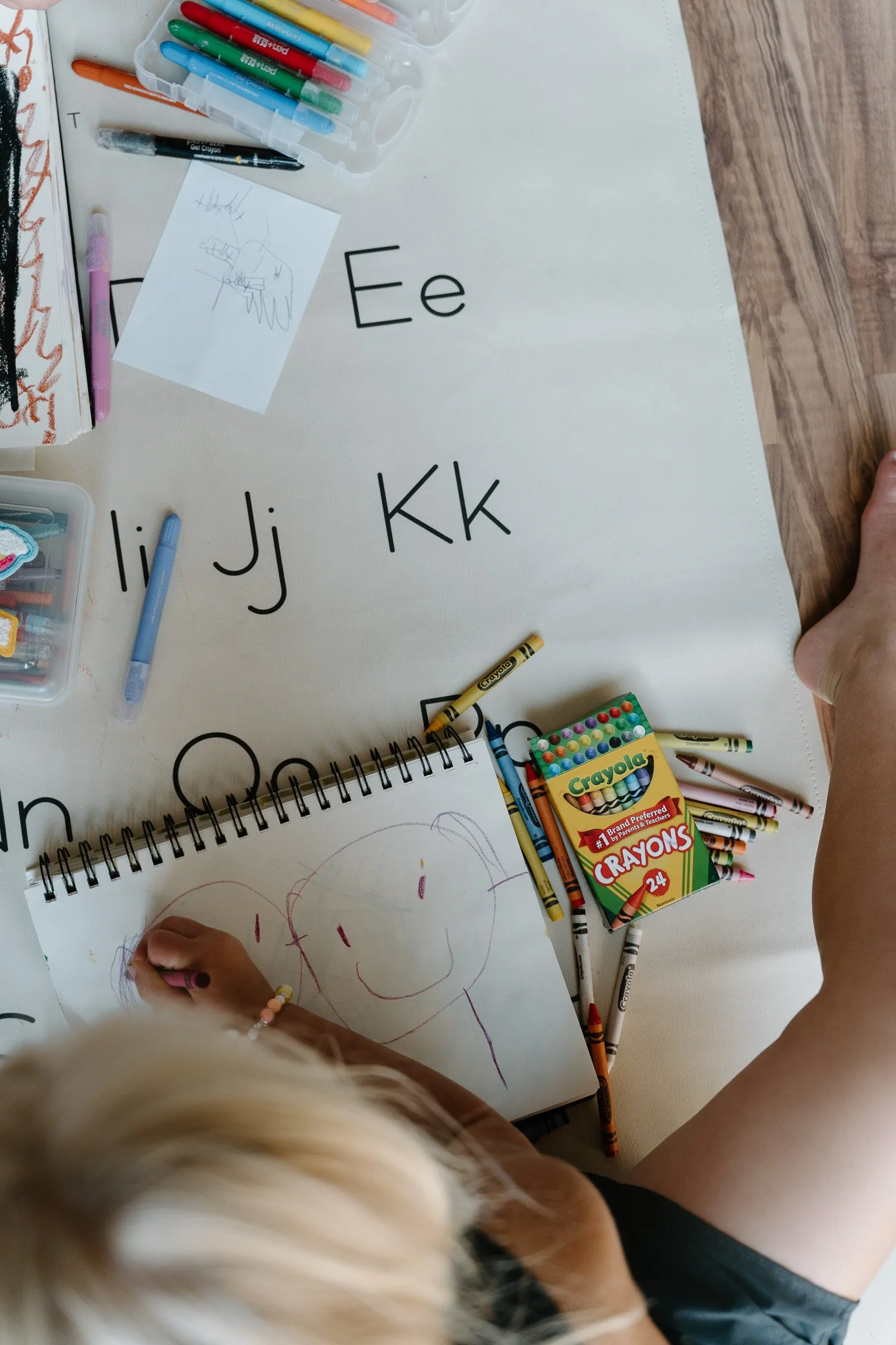
Homeschool Year Two: Our Rhythms & Priorities
After one year of homeschooling, we’re carrying forward less pressure, more flexibility, and a bigger focus on the rhythms that shape our family. Sharing what worked, what we’re changing, and the priorities guiding our second year.
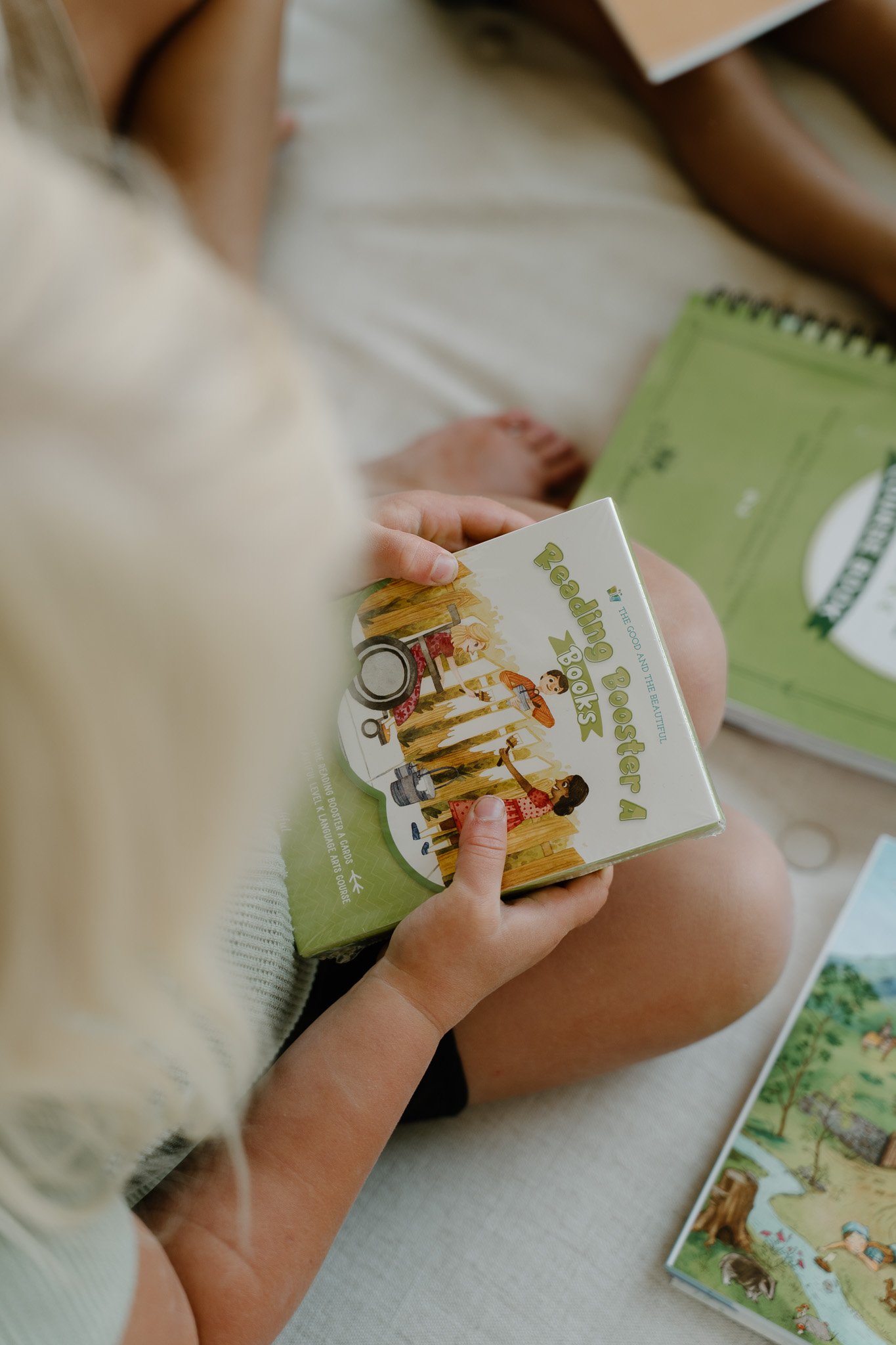
We don’t come from generations of homeschoolers. We don’t have years of experience, a perfectly mapped-out plan, or a deep understanding of every curriculum option available. We’re definitely learning as we go!
I think sometimes homeschooling can feel overwhelming because there is so much information available and barely any parameters. There are endless curriculum choices, schedules, methods, philosophies, and opinions. It can feel like you need to have everything figured out before you even begin.
But after our first year, I’ve realized that homeschooling isn’t about having all the answers. It’s about being willing to learn alongside your kids.
It’s about paying attention. Adjusting. Trying something, realizing it doesn’t work, and changing course.
Every year of homeschooling could look different for our family. We may choose to homeschool through our kids’ entire education, or we may not. And I’m genuinely okay with that!
For us, this season is less about following a perfect formula and more about creating a lifestyle that fits our family.
Our homeschool philosophy isn’t centered around checking off academic milestones. It’s about creating an environment where we can be intentional with the time we have together, nurture curiosity, and help our kids grow into the people God created them to be.
A huge reason we chose homeschooling is because it allows education to fit into our lifestyle instead of our lifestyle revolving around education.
As entrepreneurs, flexibility, freedom, travel, and family time are things we deeply value. We wanted the opportunity to slow down, see our kids learning up close, and create a childhood that isn’t constantly rushed from one thing to the next.
Finding What Works
One of the biggest things I’ve learned after our first year is that homeschooling isn’t about finding the perfect curriculum.
It’s about finding something that works for your family.
Something you enjoy teaching. Something your kids connect with. Something that fits your season of life.
With our kids being close in age (6, 4, and 3), we’ve chosen to keep the two older kids together for now rather than separating everything by grade level. This allows us to learn together while still meeting them individually where they are.
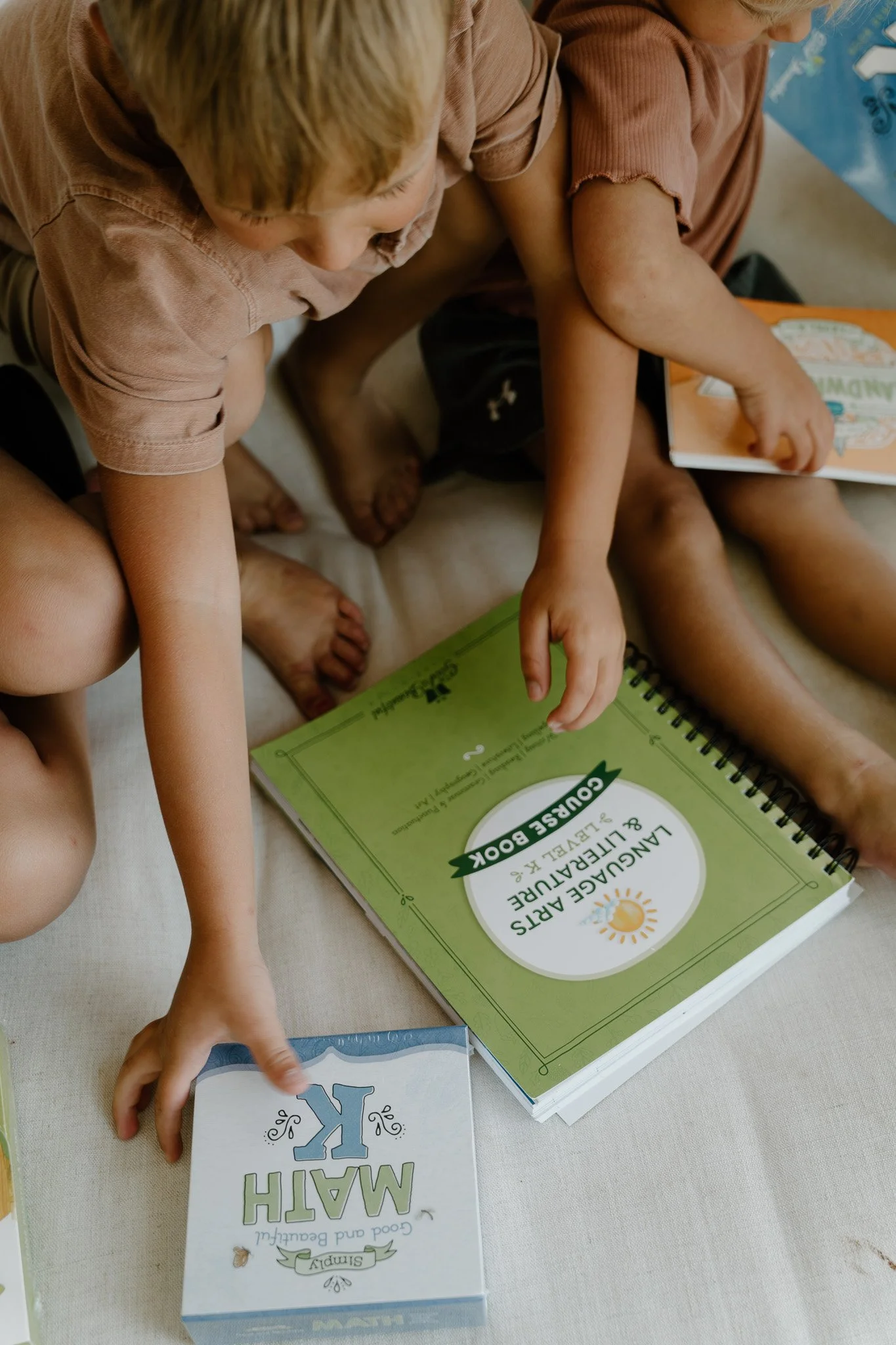
Last year, we used The Good & The Beautiful curriculum, and I really enjoyed the simplicity and having a guide to follow. I need the accountability to keep me focused each day. But I also learned that I needed the freedom to adjust on any particular day that it wasn’t a good fit.
Some days we sat down and completed the lessons exactly as written. Other days, I would take the main concept and expand on it in a way that felt more natural.
Maybe we spent more time discussing something they were curious about. Maybe we turned a lesson into a hands-on activity. Maybe we simply moved on because life happened.
Focusing on Rhythms Over Rigid Schedules
Going into year two, one of my biggest focuses is creating rhythms instead of chasing a perfect schedule.
I’m less interested in filling every hour of our day and more interested in creating simple, consistent anchors that help our home function well.
One of those anchors we will continue next year is what we call our “Daily Five.”
Before school even begins, we start every day with five simple things we want our kids to learn to take ownership of:
Brush teeth
Do hair
Get dressed
Pick up their room/make their bed
Spend time with God
(I share our FREE printable toddler routine chart with 108 chores, routines, activities, and more here.)
Are they always excited about completing their Daily Five? Absolutely not. I have one child who still needs a daily reminder that this is, in fact, part of our morning routine. 😂 But I also know that these habits take time to build, and my hope is that with consistency, they’ll eventually become second nature.
The goal is consistency.
These small daily habits are teaching our kids so much more than just how to complete a checklist. They’re learning responsibility, independence, discipline, and how to care for themselves and the space around them.
And not gonna lie…our Daily Five isn’t just for the kids. It holds me accountable too. After years of teaching, I got used to “getting ready” for work and staying comfy on days at home. There’s nothing wrong with that, but I’ve found that when I get myself ready for the day, it shifts my mindset and helps our whole day run more smoothly.
A few rhythms we’re adding this year are morning basket/station time for my youngest and afternoon quiet time for everyone.
Last year, I struggled with figuring out how to include her while teaching the older kids. She wanted to be involved (which I love), but I didn’t always know how to balance her need for attention and connection while staying focused on their lessons.
This year, I’m shifting my mindset.
Instead of seeing her interruptions as something getting in the way of our homeschool, I’m creating a space where she feels like she belongs in it.
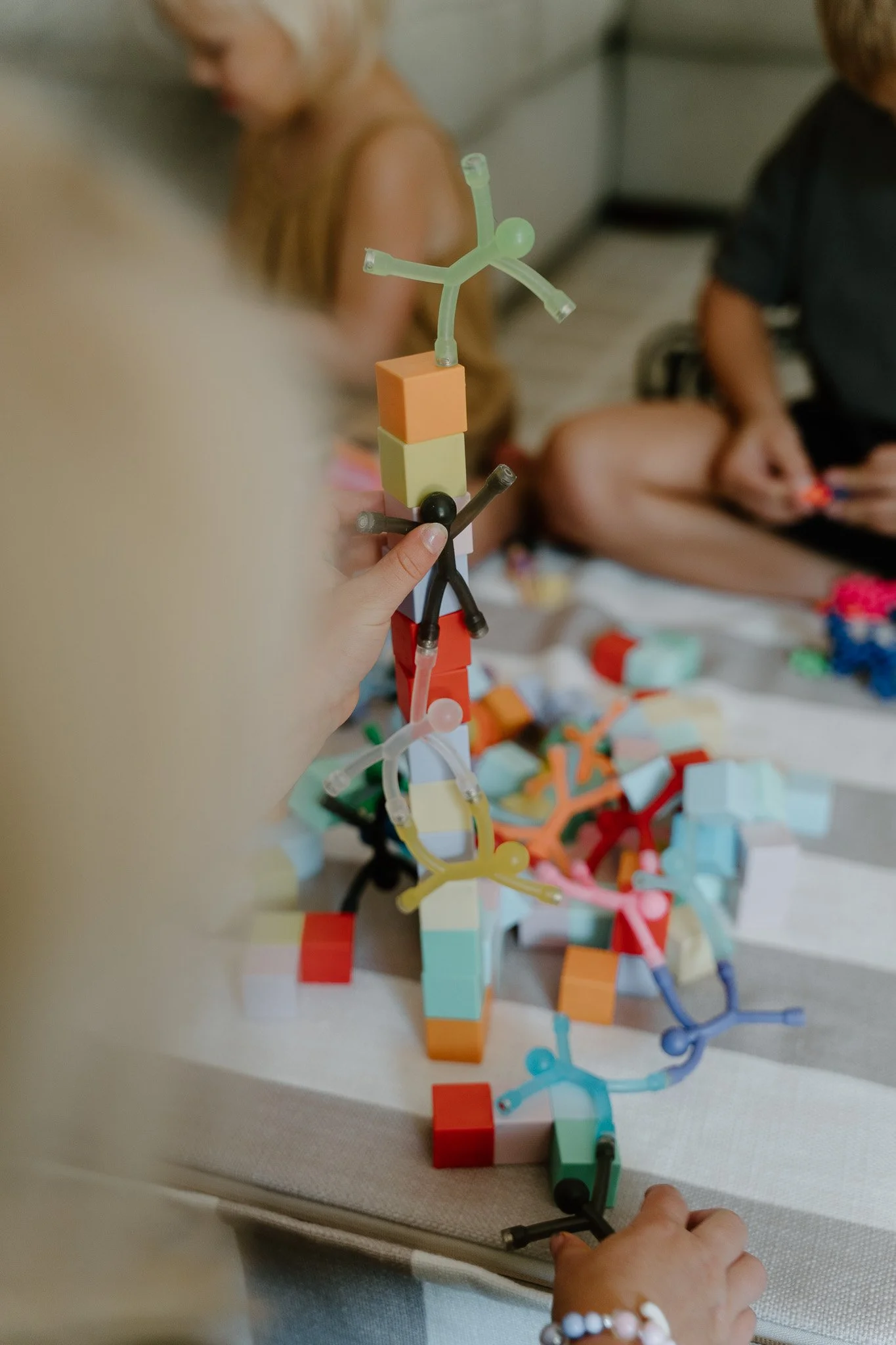
Each morning, she’ll have her own basket with special activities she can do alongside us that are only available during this time (see list below).
It’s less about keeping her busy while we do school and more about giving her a meaningful way to participate.
More importantly, I hope she learns that she has a place in our family’s rhythms too!
Afternoon quiet time will be another intentional pause in our day.
Since my kids have outgrown naps, this has become a really helpful reset in our day. Each child spends time in their own room resting, playing quietly, looking at books, or simply learning to be still. We use a visual timer so they know what to expect and can learn to manage their own time (and not ask me 1 million times how much longer 🙃). Not every moment needs to be filled, and I think there’s real value in kids learning how to slow down, use their imagination, and even be comfortable with a little boredom.
It gives them space to decompress and recharge, and honestly, it does the same for me. As a bonus, it’s also been a total game changer for my workflow, giving me a pocket of uninterrupted time during the day instead of feeling pulled in different directions. 😭 🙌
Teaching Responsibility Through Everyday Skills
Some of the most valuable learning happening in our home doesn’t come from a workbook. It happens through the simple, everyday moments where our kids learn to contribute, take ownership, and become more independent.
This year, we’re implementing a monthly chore rotation where each child has one age-appropriate responsibility they’re learning to take ownership of. The goal isn’t just to get help around the house (although that’s definitely a bonus 😉), it’s to teach them that being part of a family means contributing and caring for the space around them.
Depending on their age and ability, chores might look like:
Sweeping/mopping
Helping unload or load the dishwasher
Taking out the trash
Folding towels or sorting laundry
Wiping down surfaces after meals
Obviously, they are still little, and these things don’t always happen perfectly (or without reminders), but that’s part of the learning process.

Choosing Connection Over Constant Activity
Another big focus for us this year is actually doing less when it comes to outside activities.
We genuinely love fun experiences, packing everyone up and embracing the chaos, field trips, sports, and opportunities for our kids to explore their interests. There are so many wonderful things we could fill our calendar with! But I’ve realized that more isn’t always better…even when I feel the pressure or guilt that maybe I’m not doing enough.
One of the biggest reasons we chose homeschooling was for the flexibility and freedom it provides. We wanted a slower, more home-centered lifestyle where we have margin to be together and enjoy our days without constantly feeling rushed.
The reality is, even good things can become too much when there are too many of them. A full calendar can quickly turn into exhausted kids, a tired mom, and losing some of the very reasons we chose this lifestyle in the first place.
So this year, we’re being intentional about protecting our margin and prioritizing what matters most.
One of those things is consistent relationships and friendships.
I’ve found that one of the hardest parts of this season of life is actually making time to connect. Trying to coordinate a simple play date or mom’s night out can somehow turn into weeks (or months) of texting back and forth trying to find a time that works for everyone.
So instead of squeezing friendships into the margins, we want to make them part of our rhythm.
Our goal is to create consistent connection (we landed on biweekly) opportunities to gather with friends.
Just simple things like meeting at a park, gathering at someone’s home, bringing our own lunches, and letting the kids play.
I also love the idea of using these times as opportunities to learn from one another. Not through another structured activity, but by simply sharing the things we already love and are passionate about.
Maybe someone teaches the kids how to garden, cook a simple recipe, care for animals, do a holiday craft, or how to sew a button. The goal isn’t to create another thing to add to the calendar, it’s to build community.
It’s giving our kids opportunities to learn from different people, discover new interests, and see the unique gifts and passions of those around them.
And it’s just as valuable for the moms!
Having consistent connection with other women in the same season of life matters. It gives us a place to encourage one another, share the realities of raising kids, and simply do life together.
Moving Forward
We’re still learning. We’re still adjusting. We’re still figuring out what works best for our family.
And that’s the beauty of this journey!
At the heart of it all is our desire to be intentional stewards of the kids God has entrusted us with while creating a rhythm of life that allows us to be more present as a family. There are many different paths families take to pursue these same values, and for us, homeschooling is simply the path we’re choosing in this season.
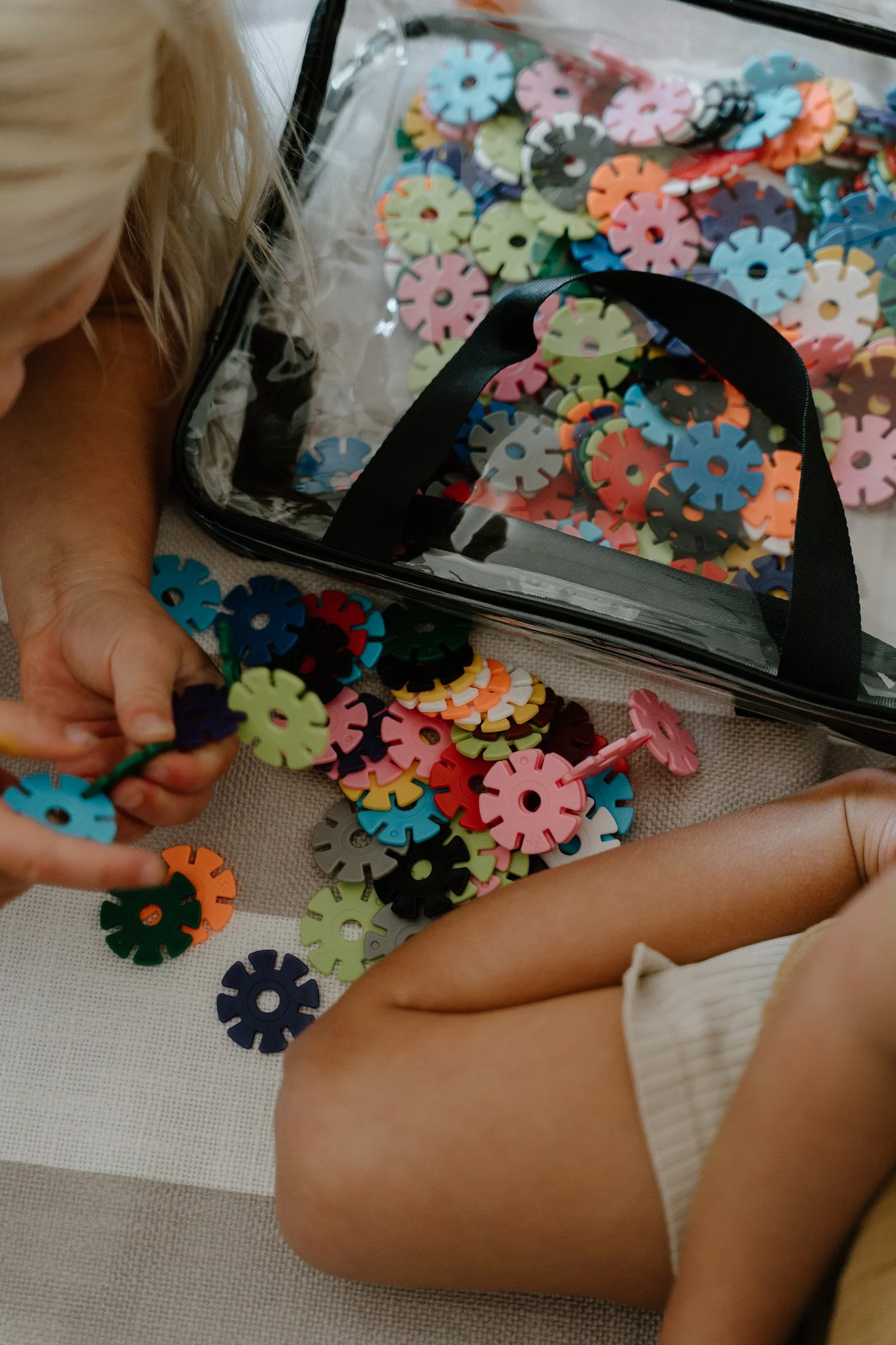
Links to Our Favorite Quiet Time/Morning Basket Items:
Yoto cards
Dry erase boards
Busy book
Speks magnets & sensory balls
Scratch coloring
Kinetic sand
Sensory boxes (rice, beans, corn)
Silly putty
Watercolor paint
PicassoTiles (mini too 😍)
Building discs
Snowflake discs
Magnet men
Magnet blocks
Whoa dough
Spotting game
Lincoln logs
Washi tape
Schleich animals (worth the extra $)
Tales That Tell the Truth books
Road tape
Lego duplo
Visual timer
Storage bags
Morning cart
Leather mats
Soft furniture/play set